
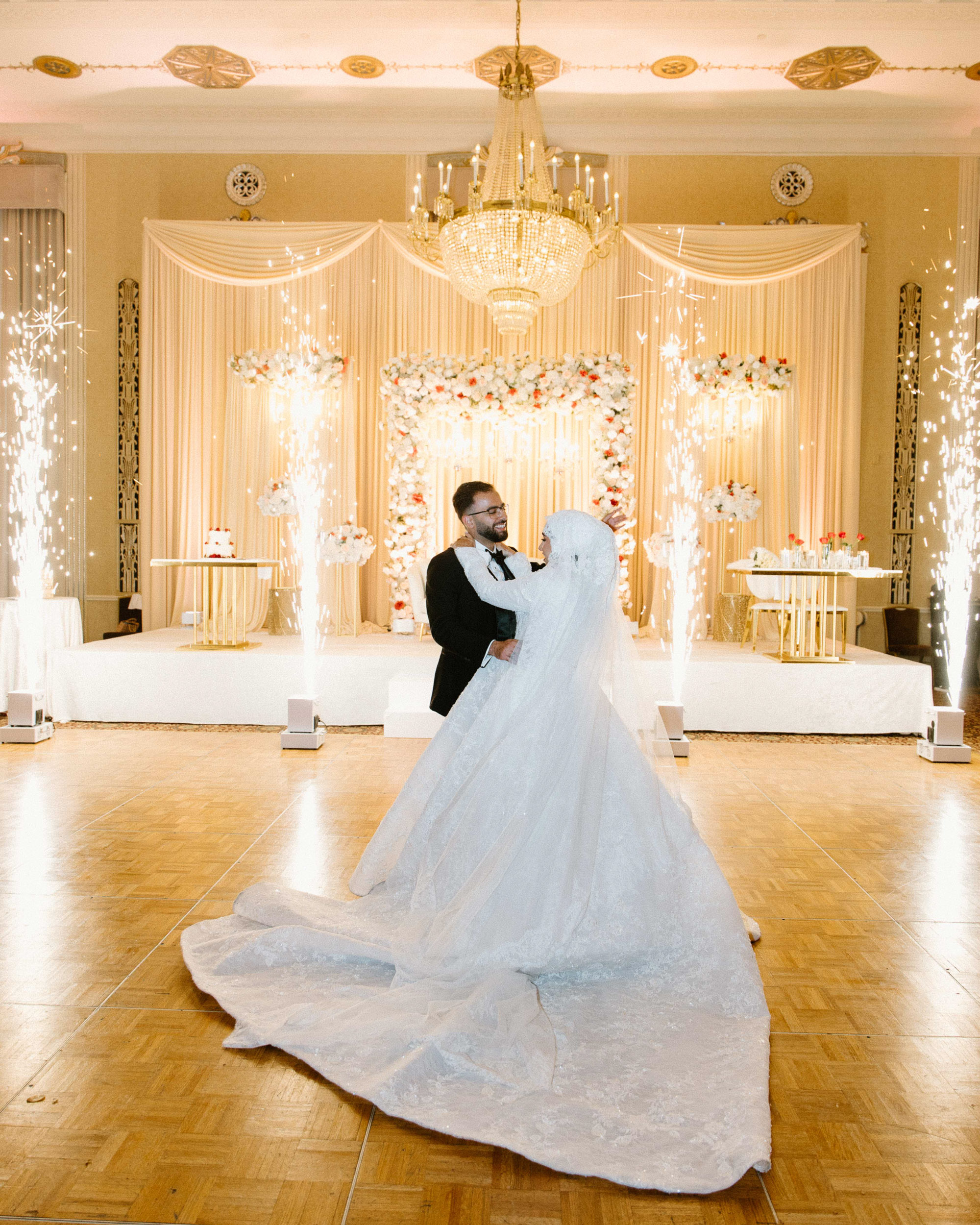
Multi-Day Arab Wedding Photography and Videography | Takwa + Ronnie
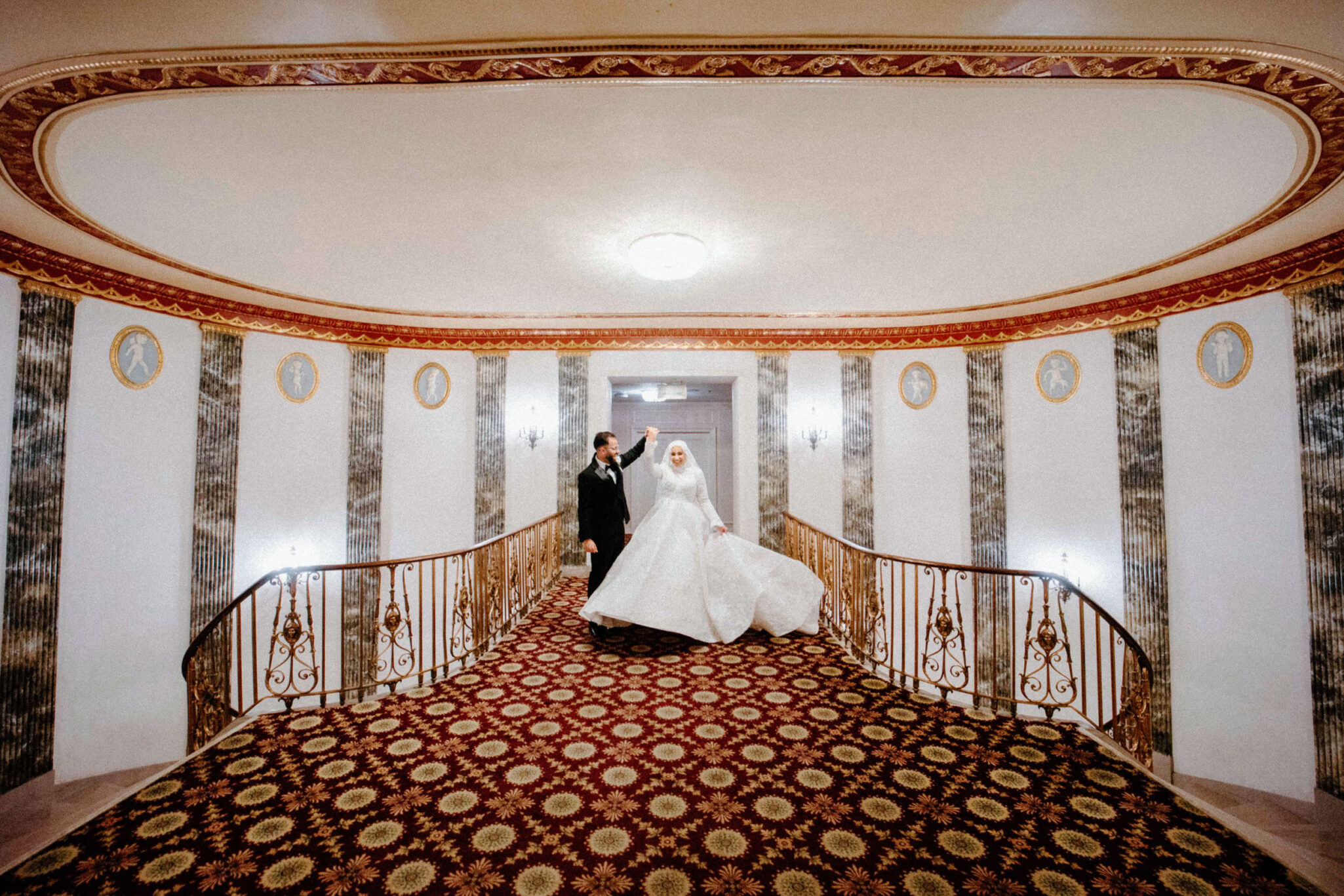
Takwa and Ronnie’s wedding was the kind of celebration that shows exactly why multi-day photo and video coverage matters.
Their Arab wedding brought together so many of the things that make multicultural weddings so meaningful to document: layered traditions, a strong family presence, multiple chapters across the celebration, quiet moments woven into high energy, and a dance floor that felt central to the story rather than just an ending.
I photographed and filmed two days of coverage for their wedding weekend, and it was a perfect example of why I love documenting multi-day multicultural celebrations. Weddings like this are not built around a single ceremony and reception. They unfold over time. They carry different moods, different traditions, different groups of people, and different kinds of movement. To photograph and film them well, you need coverage that can hold all of that.
Why Multi-Day Wedding Coverage Tells a Fuller Story
Some weddings are best understood as a single day. Others are much bigger than that.
Takwa and Ronnie’s celebration had the kind of shape that benefits from a wider documentary approach. Not because more coverage automatically means more content, but because a wedding like this actually changes across the course of the events. The energy shifts. The family dynamics shift. The visuals shift. One part of the story leads into the next.
That is one of the biggest reasons I love offering multi-day wedding photography and videography packages for multicultural weddings. The larger story cannot always be condensed into one timeline without losing what makes it special.
With Arab weddings and other multi-day cultural celebrations, the full experience often includes multiple gatherings, changing outfits or locations, major family involvement, traditional music and dancing, and moments that hold meaning beyond the standard structure of an American wedding day.
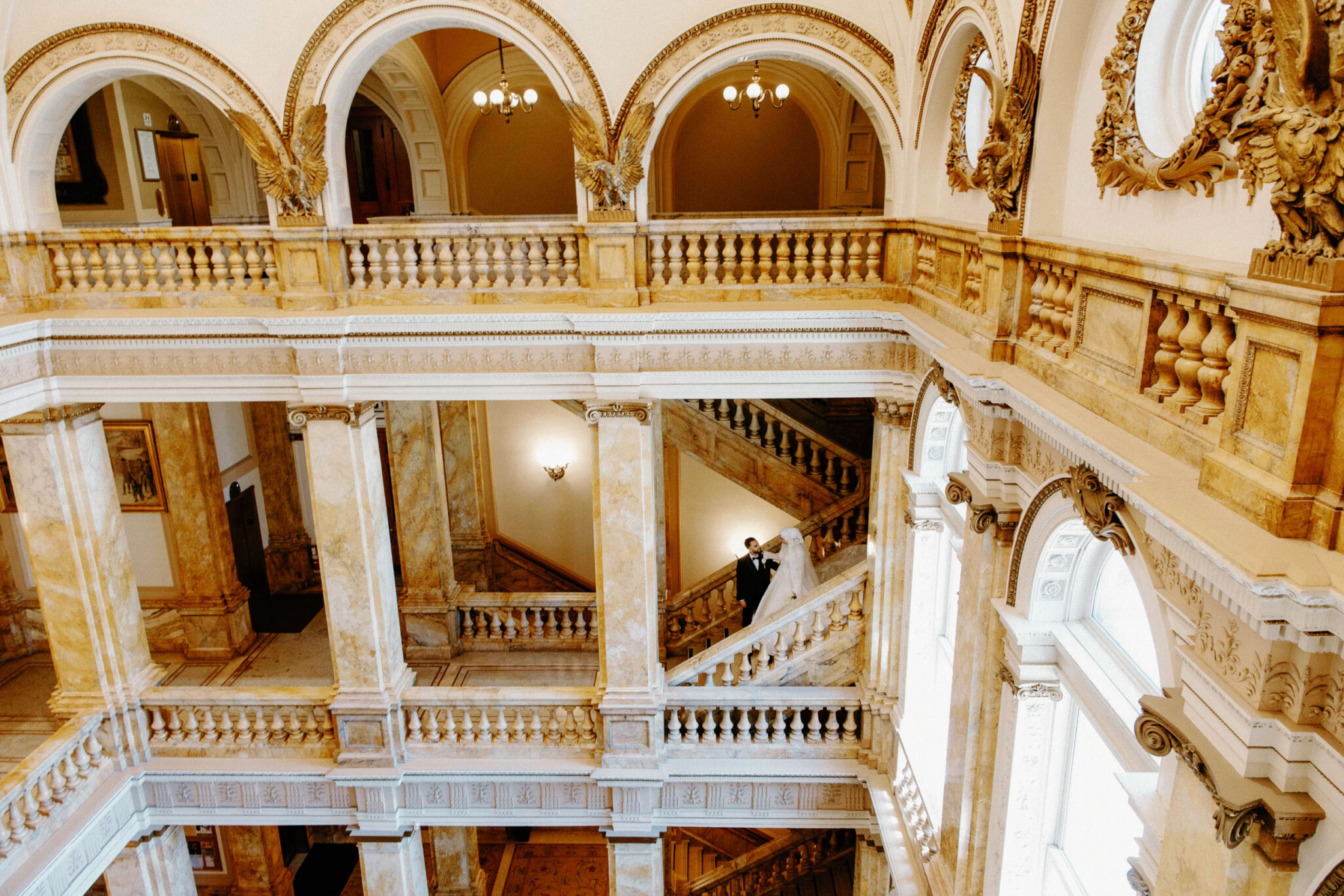
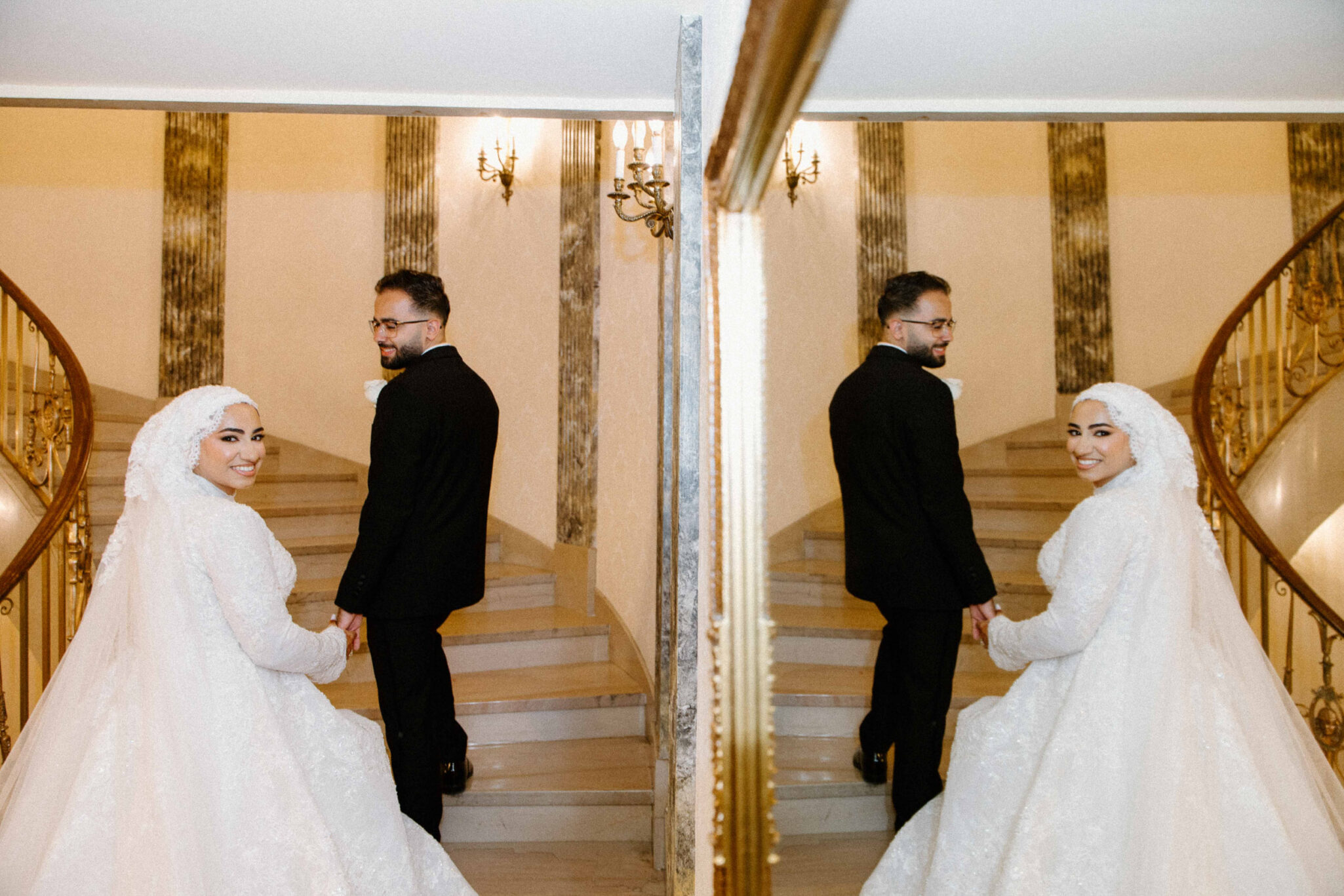
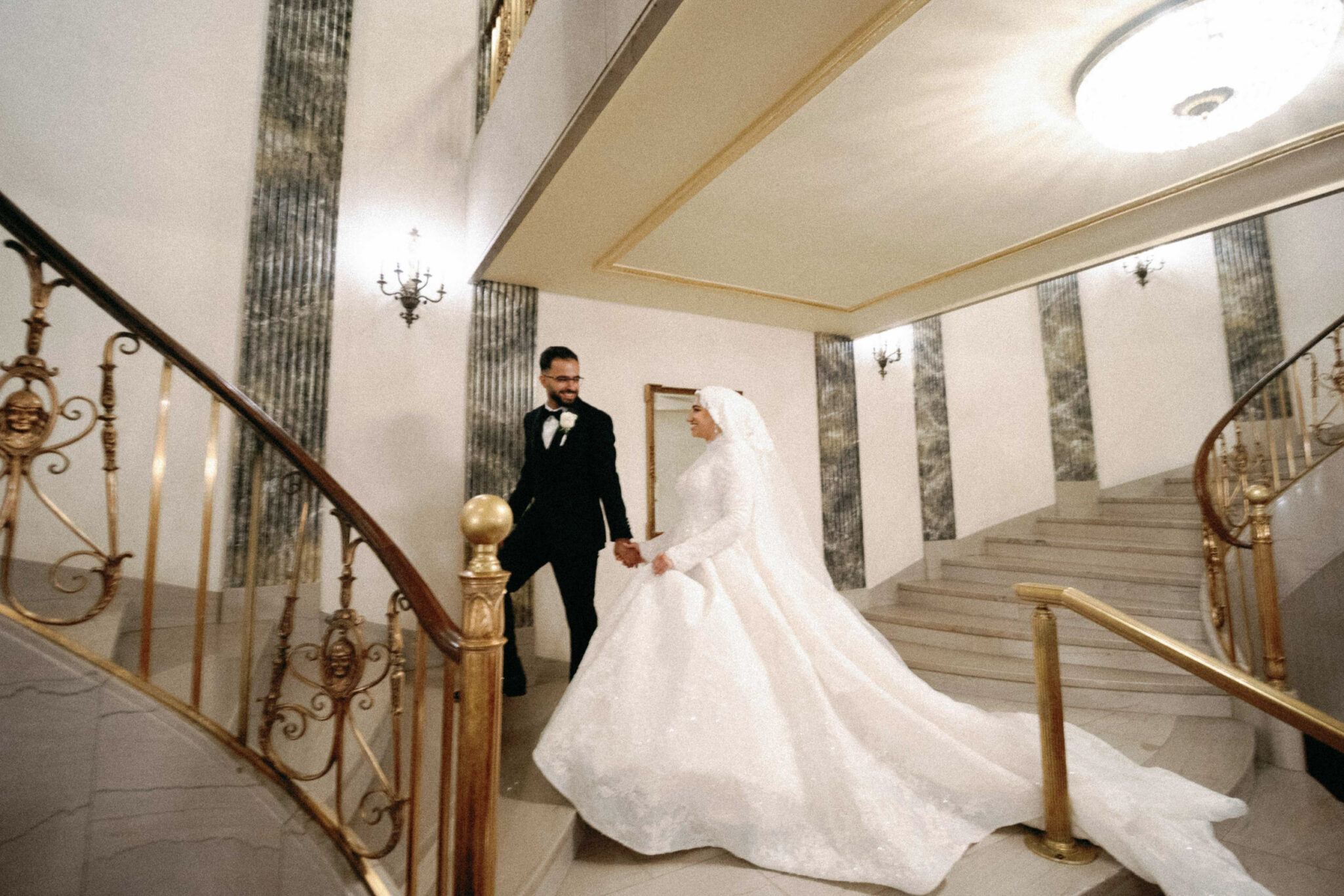
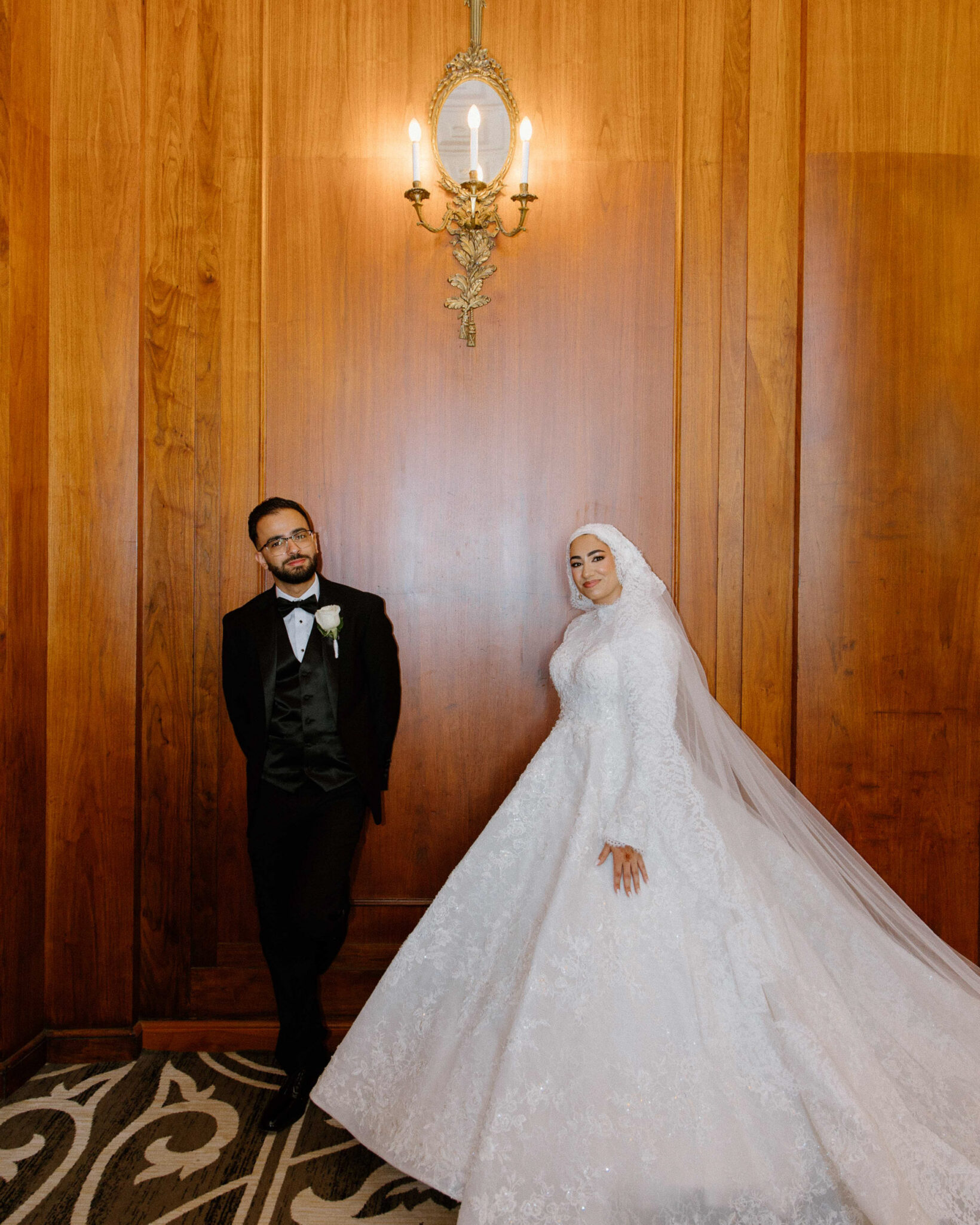
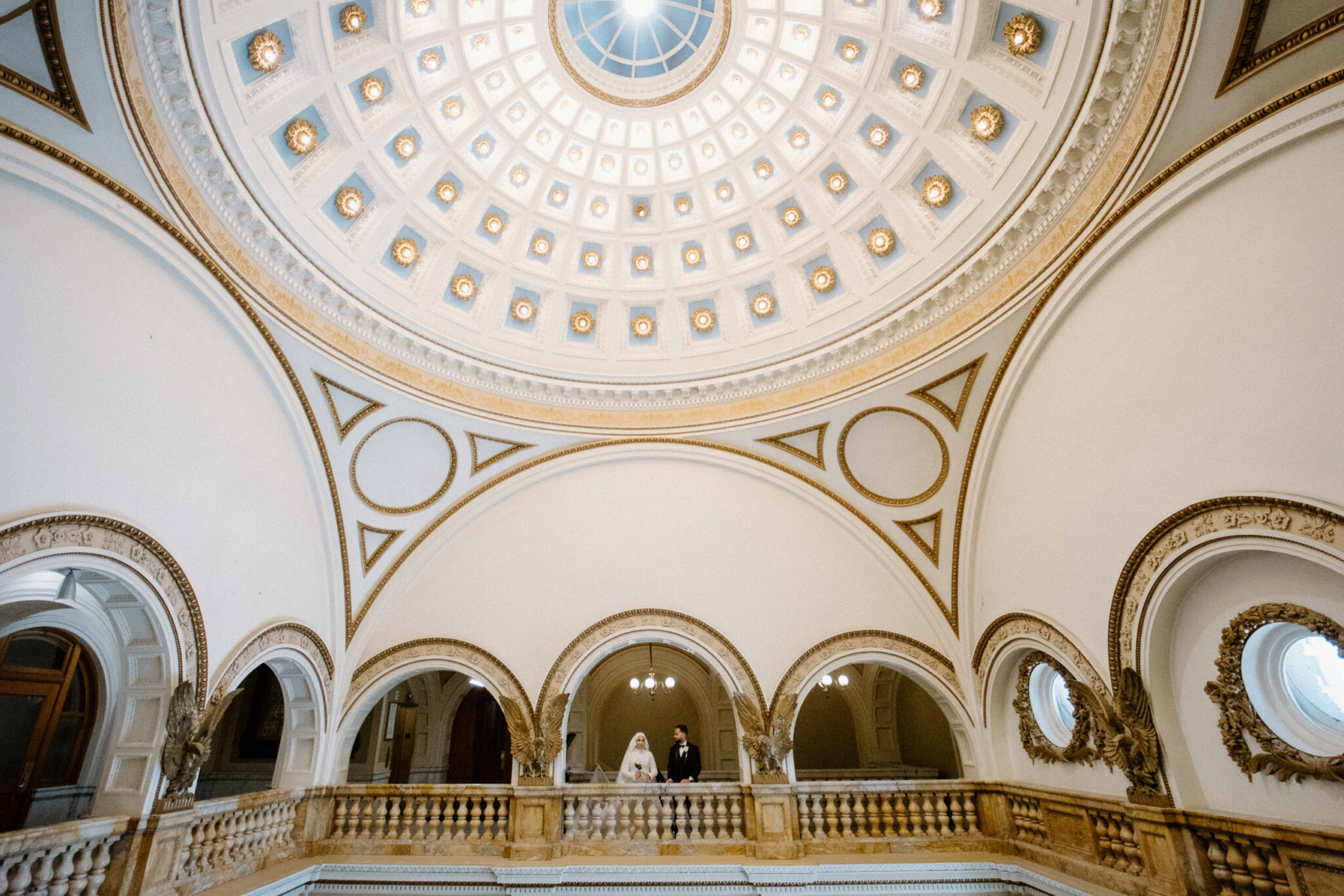
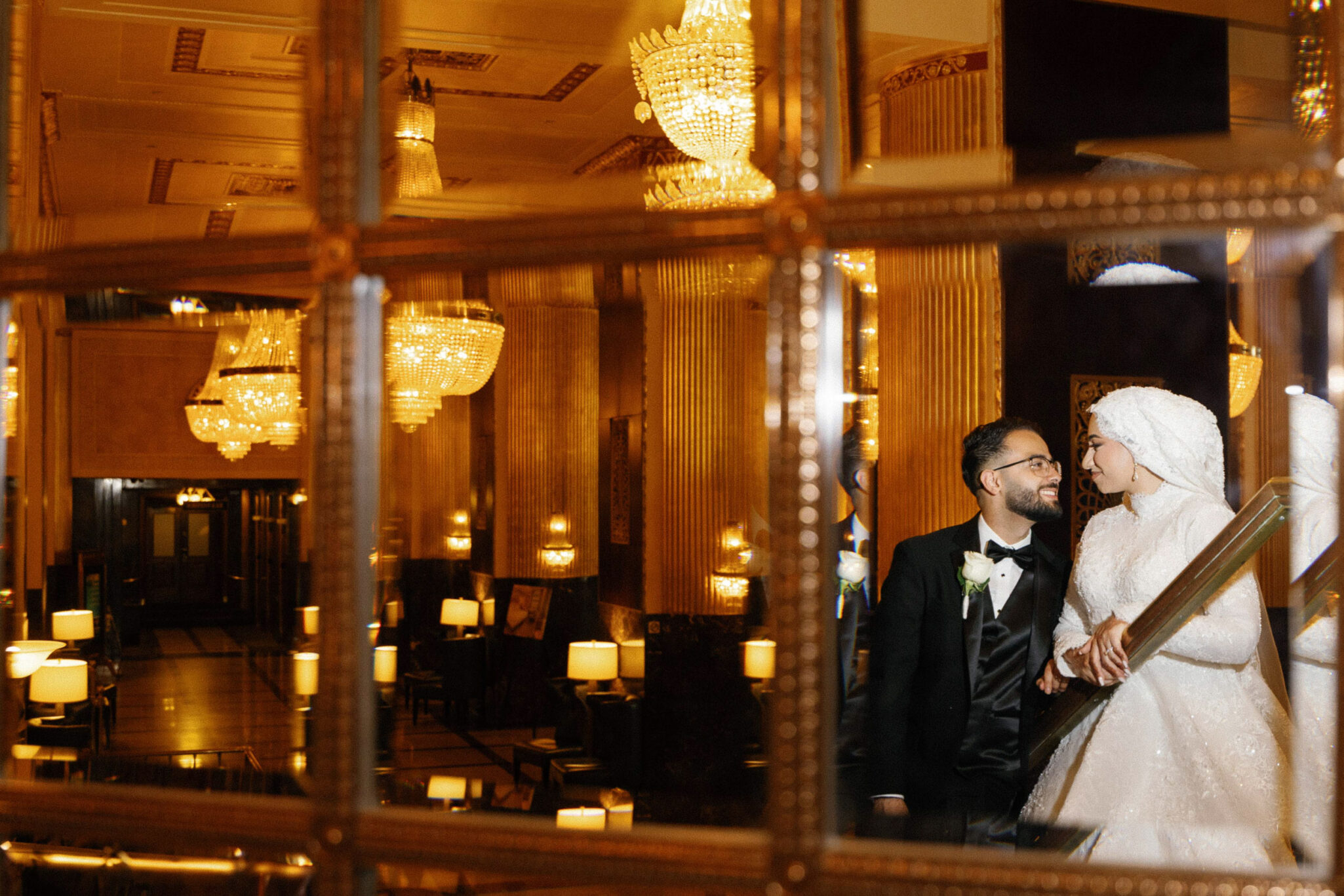
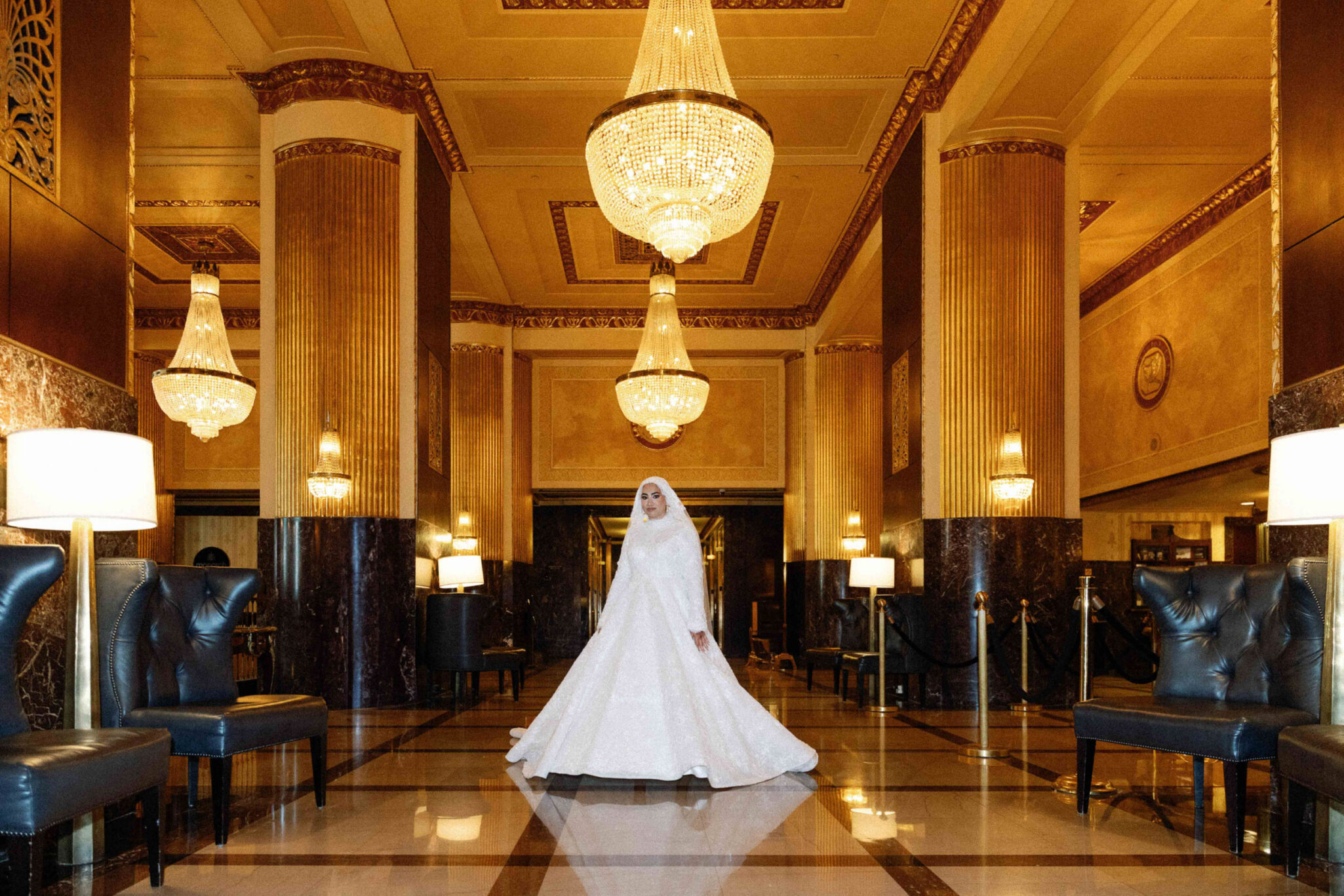
A Wedding Day Built Around Family, Tradition, and Movement
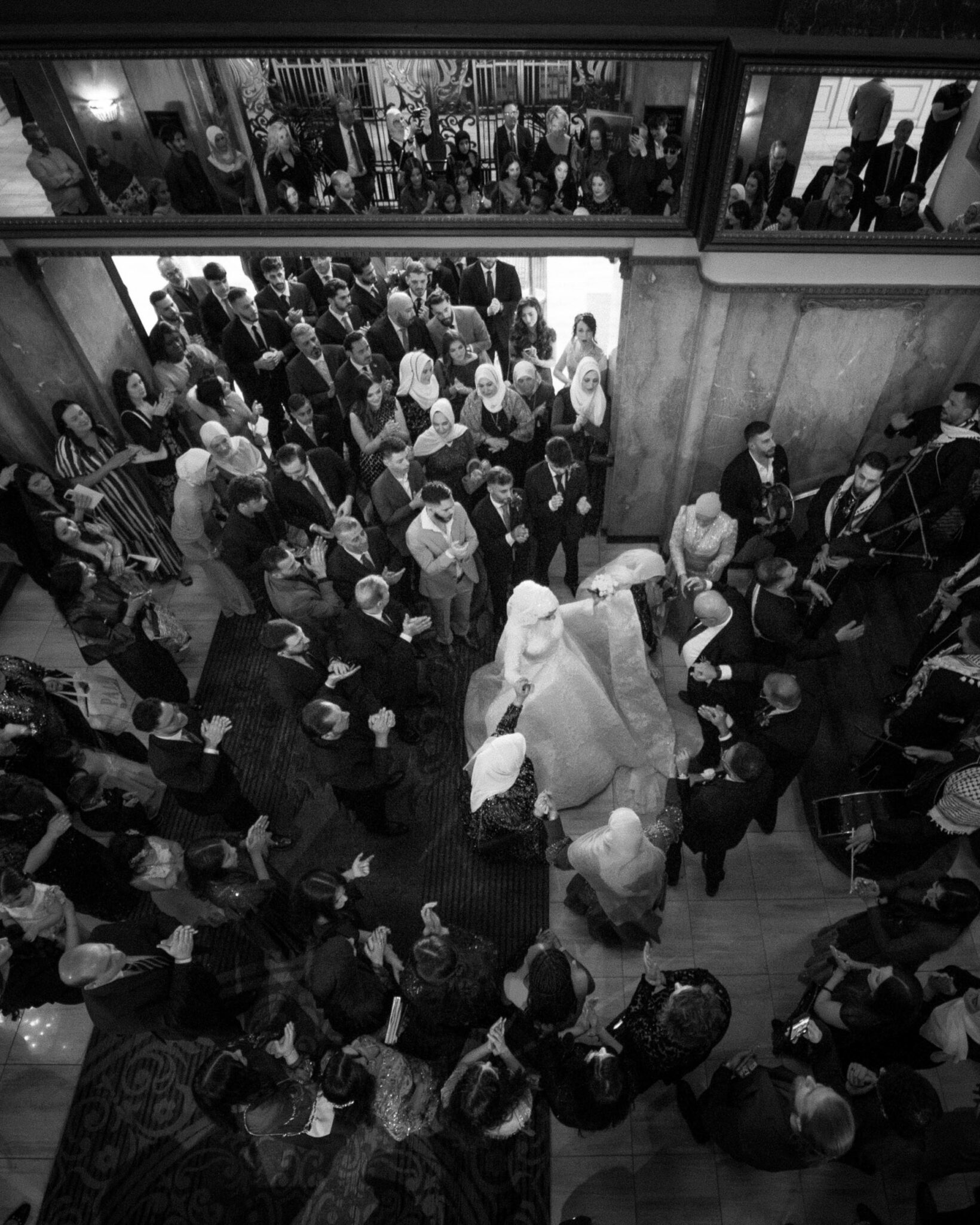
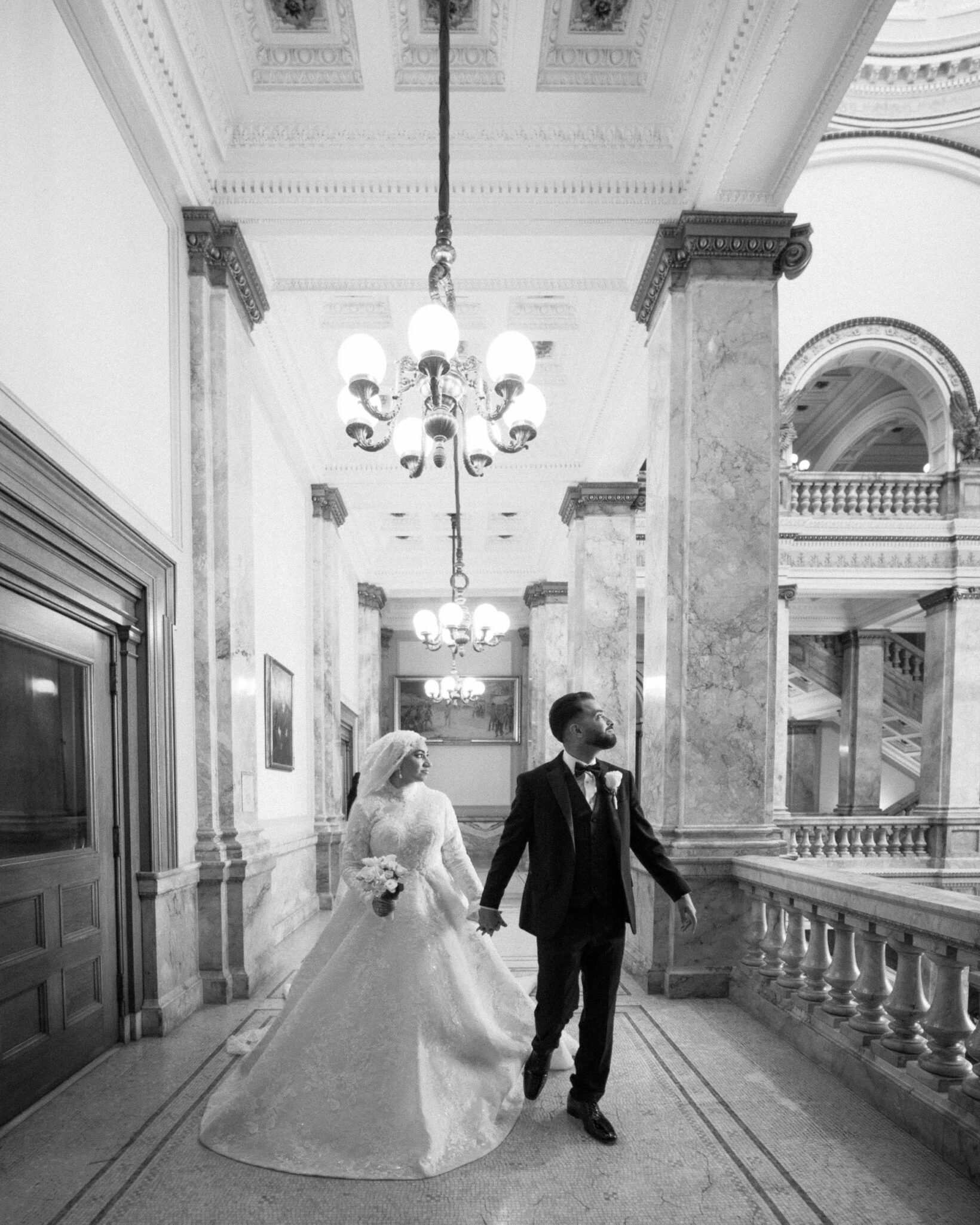
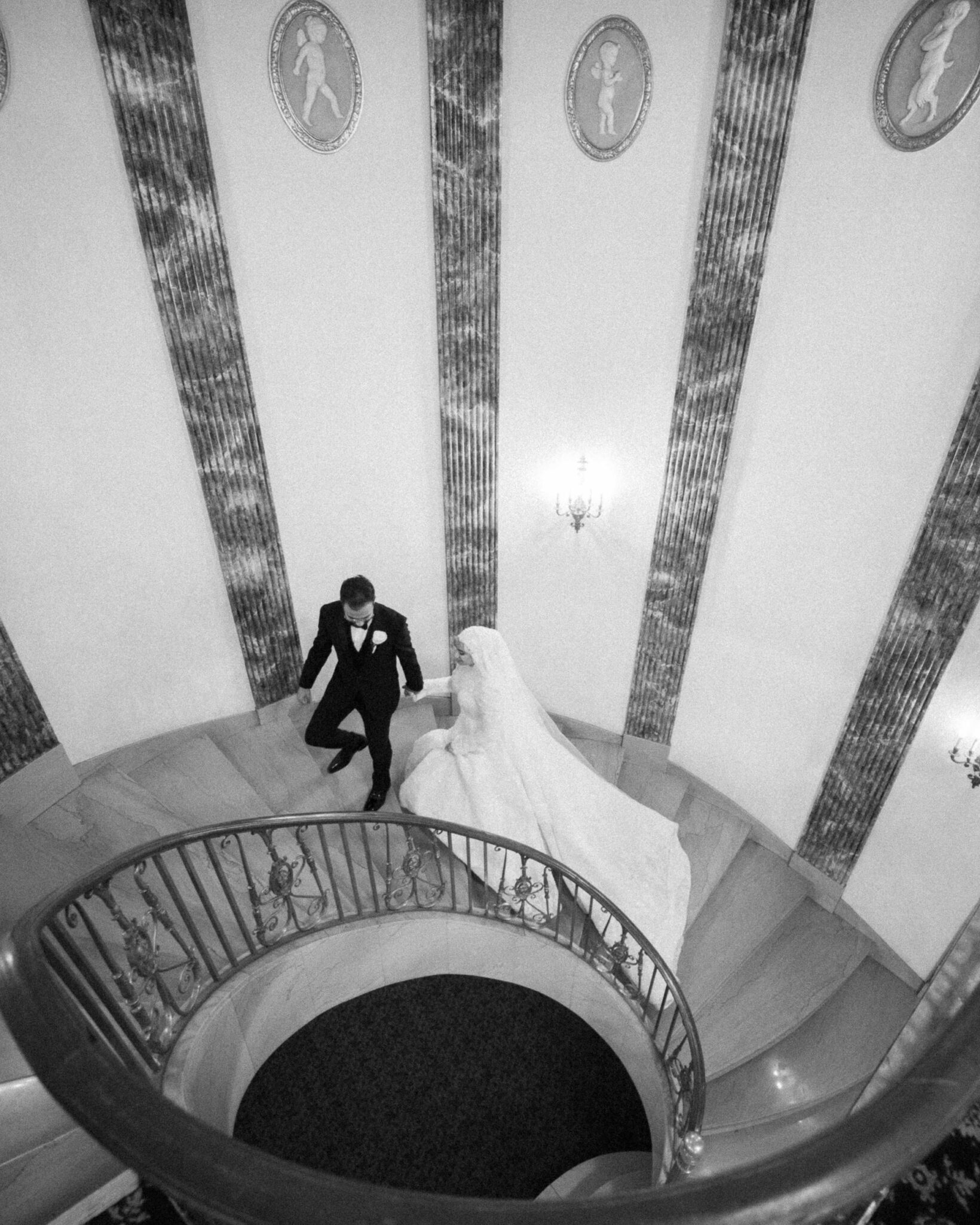
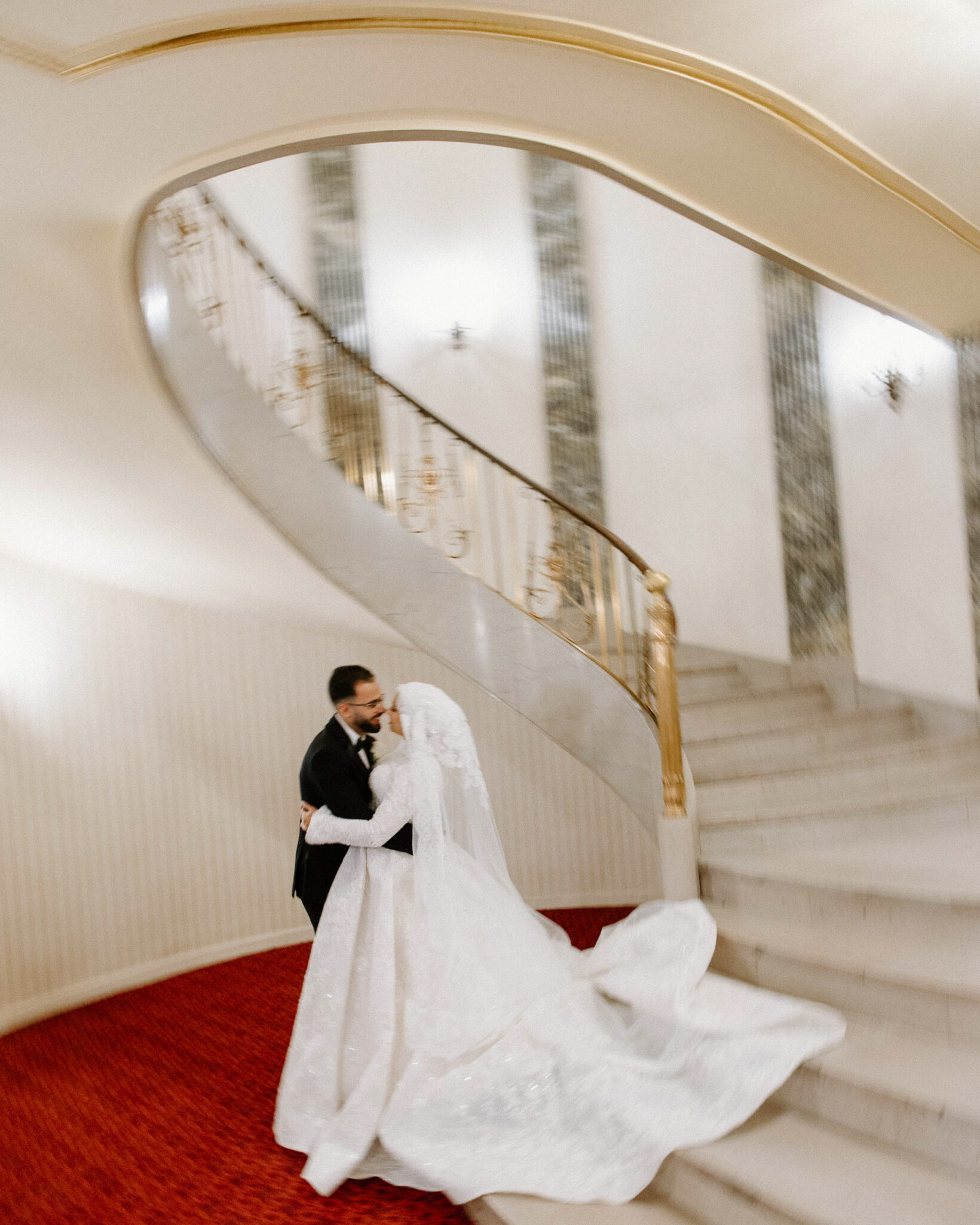
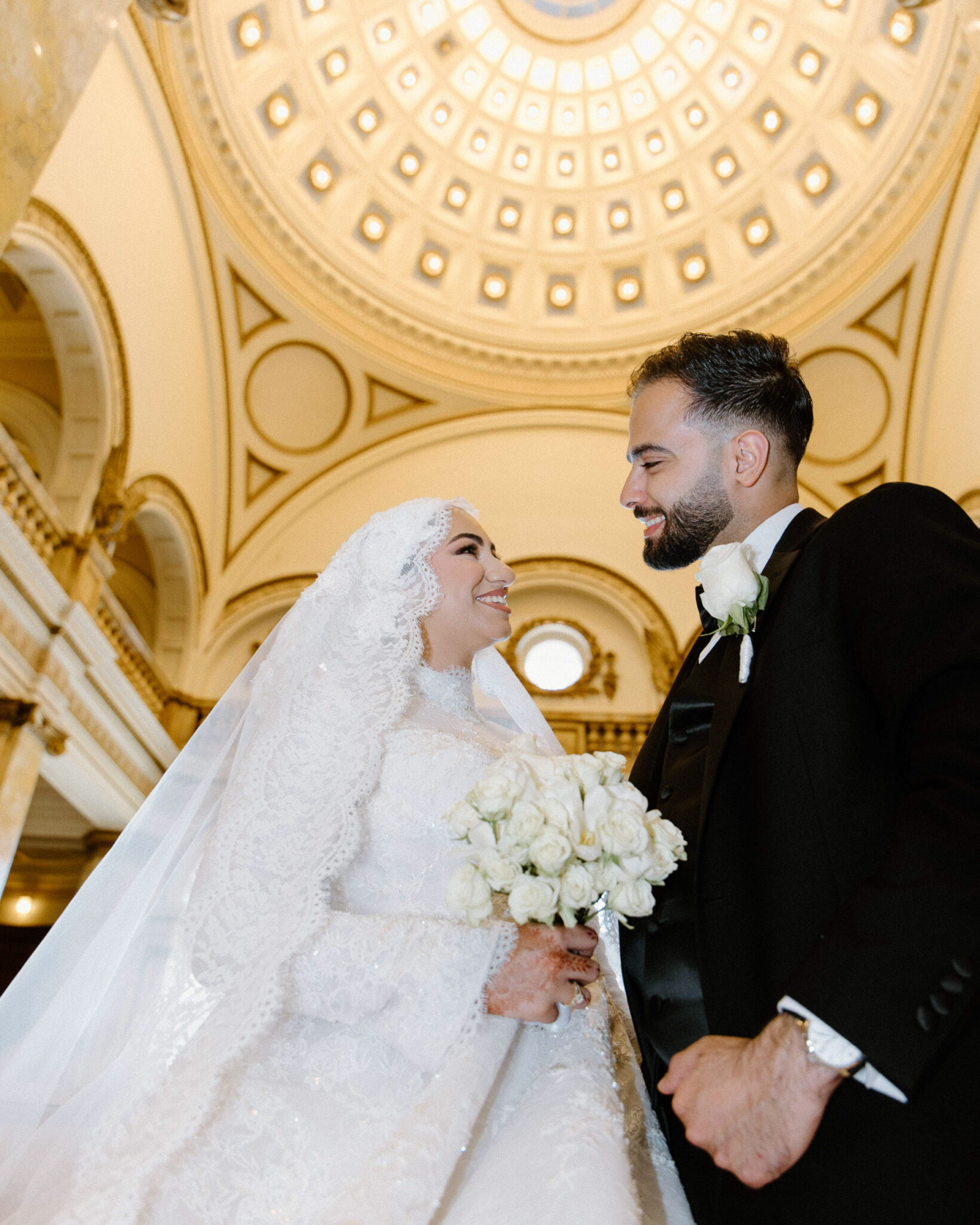
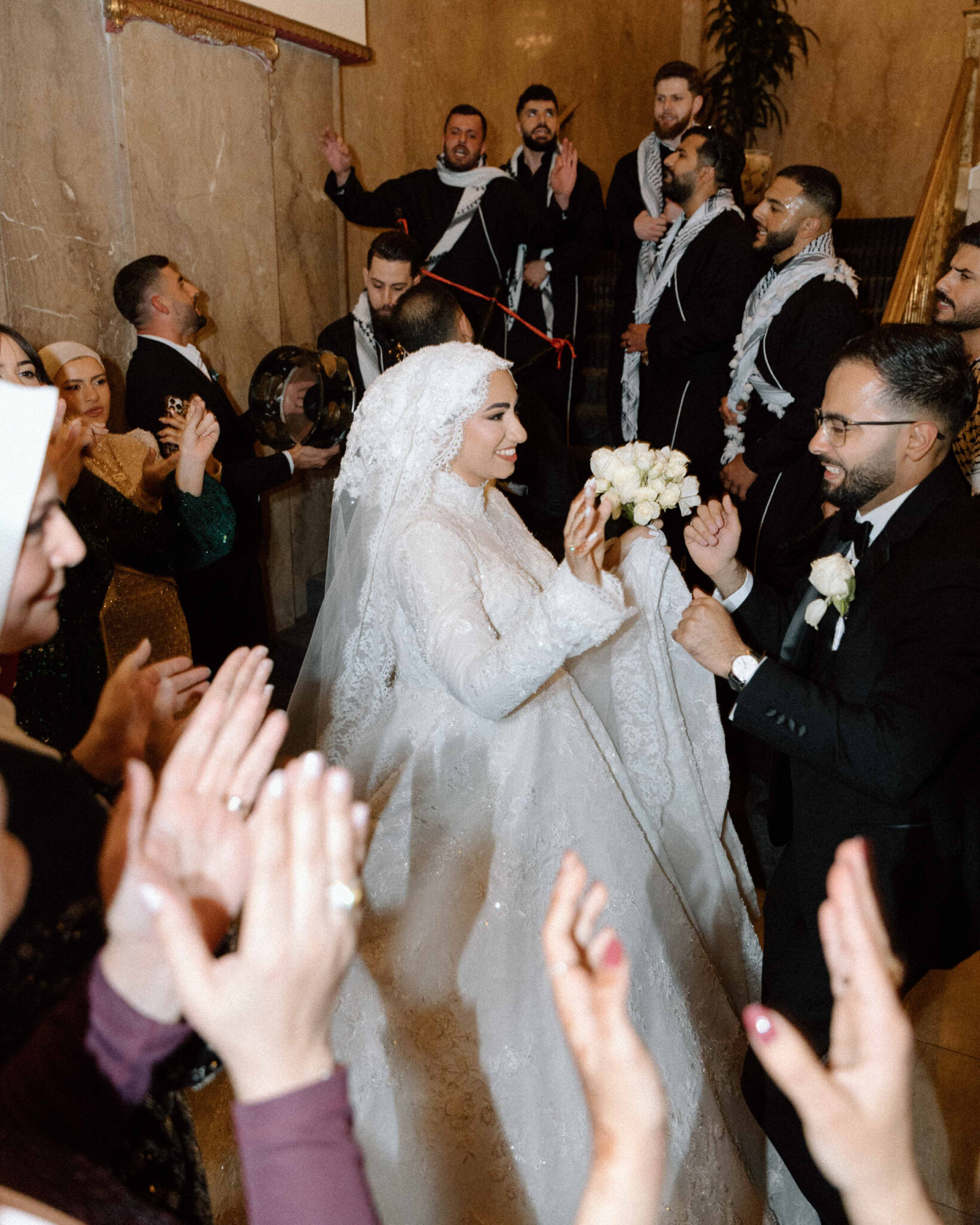
Takwa and Ronnie’s wedding day moved through multiple phases, beginning with getting ready, portraits, and first looks before opening into a much larger celebration later in the day. Their timeline included getting ready coverage, portraits together, family interactions, a groom’s zaffa, a hotel entrance, dinner, dances, dabke, family formals, and the final gold and ring traditions to close out the night.
That pacing matters.
A wedding like this is not static. It is built around transitions and movement. There are quieter parts early in the day, but those moments are not separate from the louder celebration later on. They are what give the whole thing shape. The anticipation before the zaffa. The shift from portraits into procession. The way families gather and regroup throughout the day. The way the dance floor becomes its own kind of storytelling space by night.
From a documentary perspective, that kind of rhythm is what makes these weddings so compelling to photograph and film.
Arab Wedding Traditions That Shaped the Day
One of the most meaningful parts of documenting Takwa and Ronnie’s wedding was the way tradition was woven into the day’s structure.
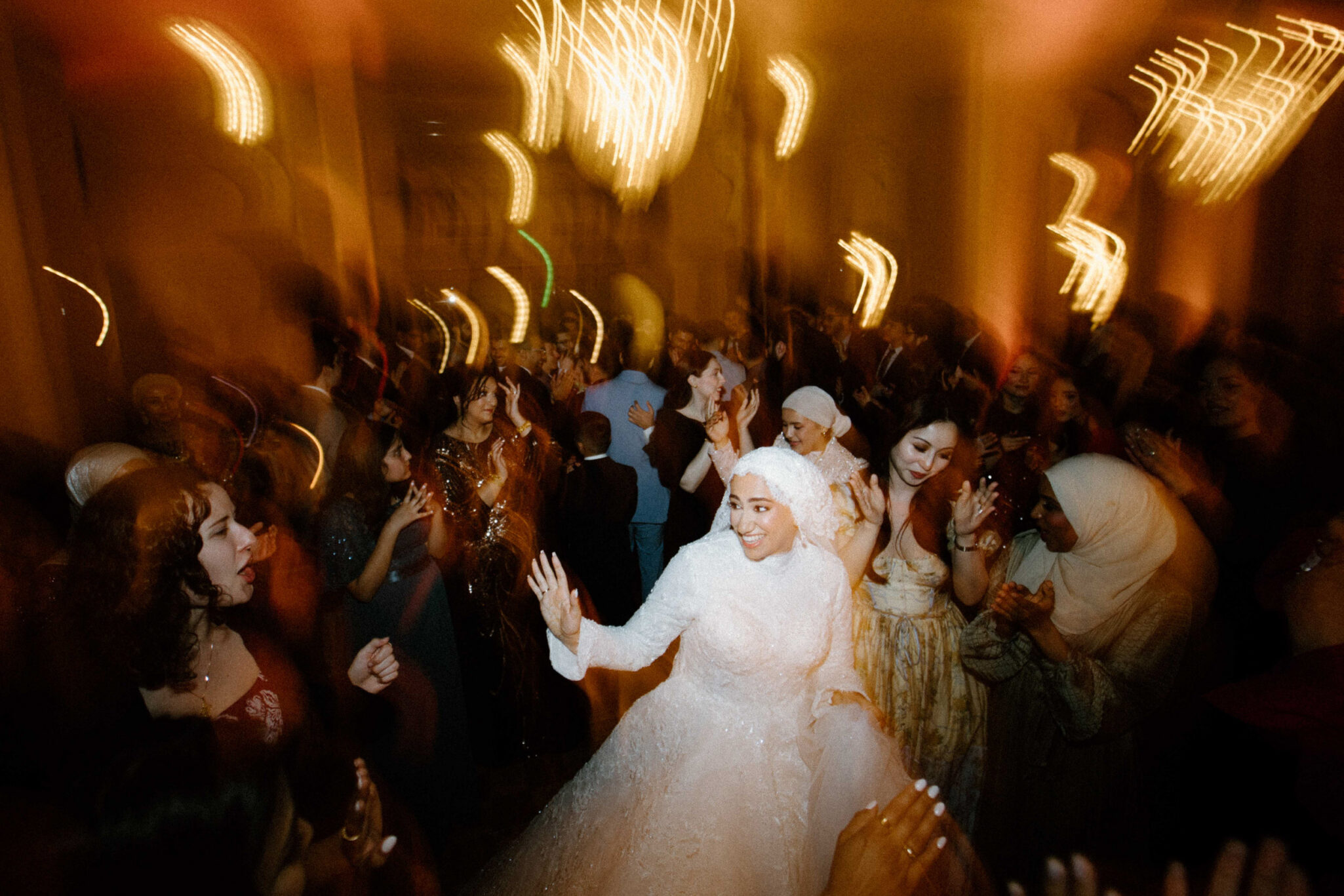
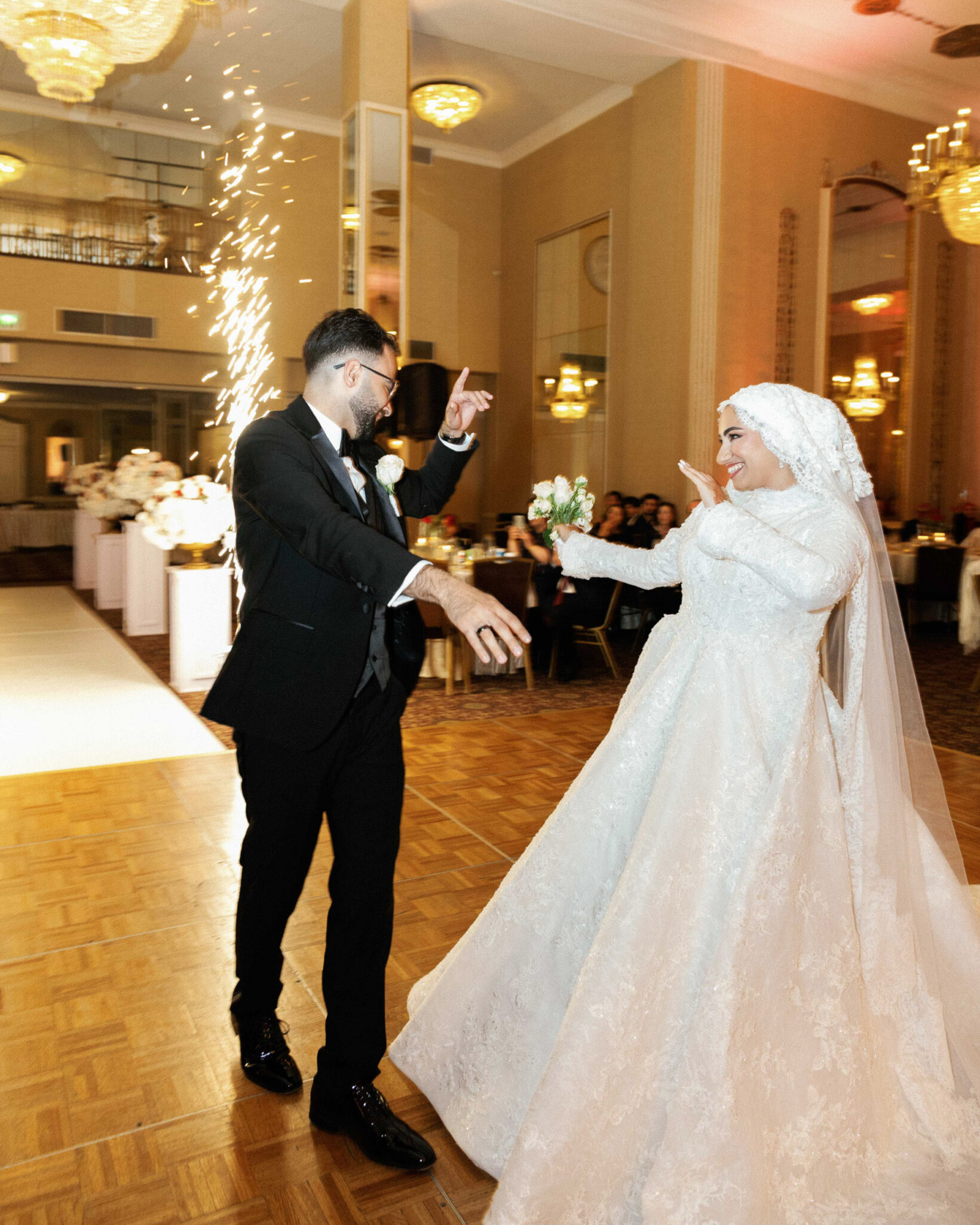
They shared ahead of time that the zaffa would begin with the groom and traditionally would involve going to the bride’s home to pick her up, but for logistical reasons they adapted that into a hotel zaffa where Takwa joined the celebration with her father. They also noted the importance of dabke, the traditional Palestinian dance, and the final custom of the bride’s family giving her gold while the rings are transferred from the right hand to the left.
Those are the kinds of details that make multicultural weddings so rich to document.
The traditions are not just decorative or symbolic additions to the day. They affect how people gather, when movement happens, what moments family members are waiting for, and what parts of the day need to be preserved not just visually, but contextually.
That is something I think matters a lot in multicultural wedding photography and videography. It is not only about making beautiful images. It is about understanding which moments carry cultural meaning and giving those moments the attention they deserve.
The Importance of Dancing in Arab Wedding Photography and Videography
One of the clearest reasons weddings like this work so well with both photography and videography is the role dancing plays in the story.
At Takwa and Ronnie’s wedding, the dancing was not just a reception add-on. It was a major part of the celebration. From the zaffa to the larger dance floor energy to the dabke later in the night, movement was one of the core visual and emotional languages of the day.
That matters because movement is one of the places where photo and video really strengthen each other.
Photography can preserve expression, gesture, composition, color, clothing, the way a room comes together, and those split-second moments inside the action that would otherwise disappear. Video carries the pacing, momentum, music, entrances, and the feeling of being inside the motion itself.
When you have a wedding built around processions, dancing, entrances, and big family celebration, both formats become more valuable. You are not choosing between stillness and movement. You are preserving both.
Why My Documentary Style Works So Well for Dual Photo and Video Coverage
A big part of why I love offering both photography and videography for multicultural wedding weekends is that my style already leans toward the way these weddings naturally unfold.
My approach is documentary at its core. I am paying attention to real movement, real interactions, and the natural flow of a moment rather than stopping everything and over-directing it. Even when I am guiding portraits, I still want the images to feel alive. I want them to carry gesture, rhythm, and atmosphere.
That way of seeing translates really well into dual coverage.
For photography, it means I am looking for images that feel lived in rather than frozen. For video, it means I am already tuned into pacing, transitions, entrances, and the emotional build of a scene. Weddings like Takwa and Ronnie’s make that especially clear because so much of the story happens through collective movement: the way people enter, gather, dance, celebrate, and respond to each other in real time.
That is one of the biggest strengths of photo and video coverage together for multi-day multicultural weddings. The final work feels connected because it is coming from the same documentary sensibility.
The Wedding Film and Why Video Mattered Here
This is the kind of wedding where video becomes especially important.
With celebrations built around a zaffa, group dancing, and a packed dance floor, so much of the experience lives in motion. The entrances, the build of the music, the collective energy of the room, the transitions between one chapter of the day and the next — those are all parts of the story that film can hold in a different way than still images can.
Even without over-explaining every moment, the film from Takwa and Ronnie’s wedding helps show why video is such a strong addition for Arab weddings and multi-day multicultural celebrations. It allows the pacing of the celebration to come through. It gives shape to the movement. It lets the wedding feel immersive.
And because my photography is already rooted in observation and natural movement, the film and the gallery support each other well. They are not doing two unrelated jobs. They are telling the same story in two forms.
For couples planning a wedding weekend with multiple events, lots of dancing, large family involvement, and meaningful traditions, that combined coverage can make a huge difference in how complete the final story feels.
Watch another Video from a Multi Day Indian Wedding at The Biltmore Estate.
Family Coverage Matters Just as Much as Couple Coverage
Another thing weddings like this make clear is that family coverage is not secondary.
Takwa and Ronnie’s formal list was deeply centered around parents, siblings, and extended family combinations on both sides. There was no traditional wedding party. The people around them were the story.
That is often true in multicultural weddings. The center of gravity is wider. The wedding is about the couple, of course, but it is also about family presence, family blessing, family reunion, and the way communities gather around the marriage.
That changes how I document the day. I am not only looking for portraits of the couple or isolated big moments. I am also watching for the emotional exchanges around them. The way parents look at them. The way siblings move in close. The way traditions connect generations in one room.
For a multi-day wedding package, that kind of broader storytelling becomes even more important because there is time and space to preserve more of those relationships.
For Couples Planning a Multi-Day Multicultural Wedding Weekend
Takwa and Ronnie’s wedding is such a strong example of why I care so much about multi-day multicultural wedding photography and videography.
These weddings deserve coverage that understands pacing, tradition, movement, family, and atmosphere. They deserve a documentary approach that can handle both the quieter emotional moments and the full intensity of a packed dance floor. And they deserve photo and video coverage that works together rather than treating each part of the celebration like an isolated event.
If you are planning a multi-day Arab wedding, South Asian wedding, multicultural wedding weekend, or any celebration with multiple events and a lot of movement across the story, this is exactly the kind of work I love doing.
You can explore more about my approach here on my multicultural wedding photography and videography page and reach out through my contact page if you are planning a wedding weekend like this.